From a shared objective to work in use.
You gain a team that connects strategy with execution and carries the work from diagnosis through delivery. We identify what stands between your organization and its objectives, assemble the right capabilities, and build the answer with you.
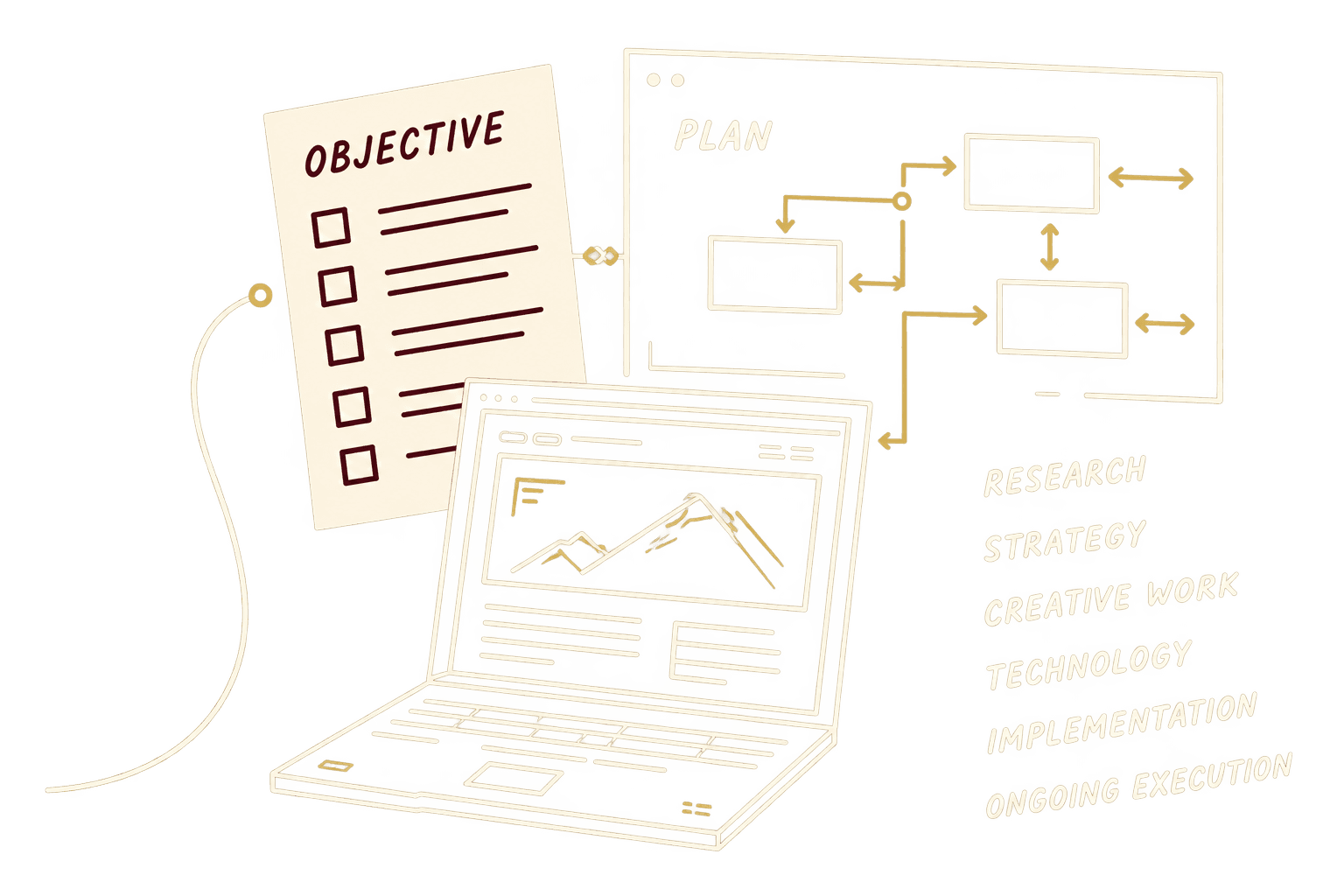
1. Establish the objective.
We begin with the outcome you want and investigate what it will take to get there. Understanding your organization, audience, systems, and constraints lets us direct effort toward the work that matters.
Bring a developed idea or a problem that still needs to be understood. We turn that starting point into a practical direction.
2. Agree the scope and priorities.
We define the work, responsibilities, milestones, dependencies, and decisions needed to move forward. The proposal sets out what is included, what you will contribute, and any additional costs or separately scoped work.
For an embedded engagement, we agree how reserved capacity will be directed toward your priorities. For a defined project, we agree the deliverables and finish line.
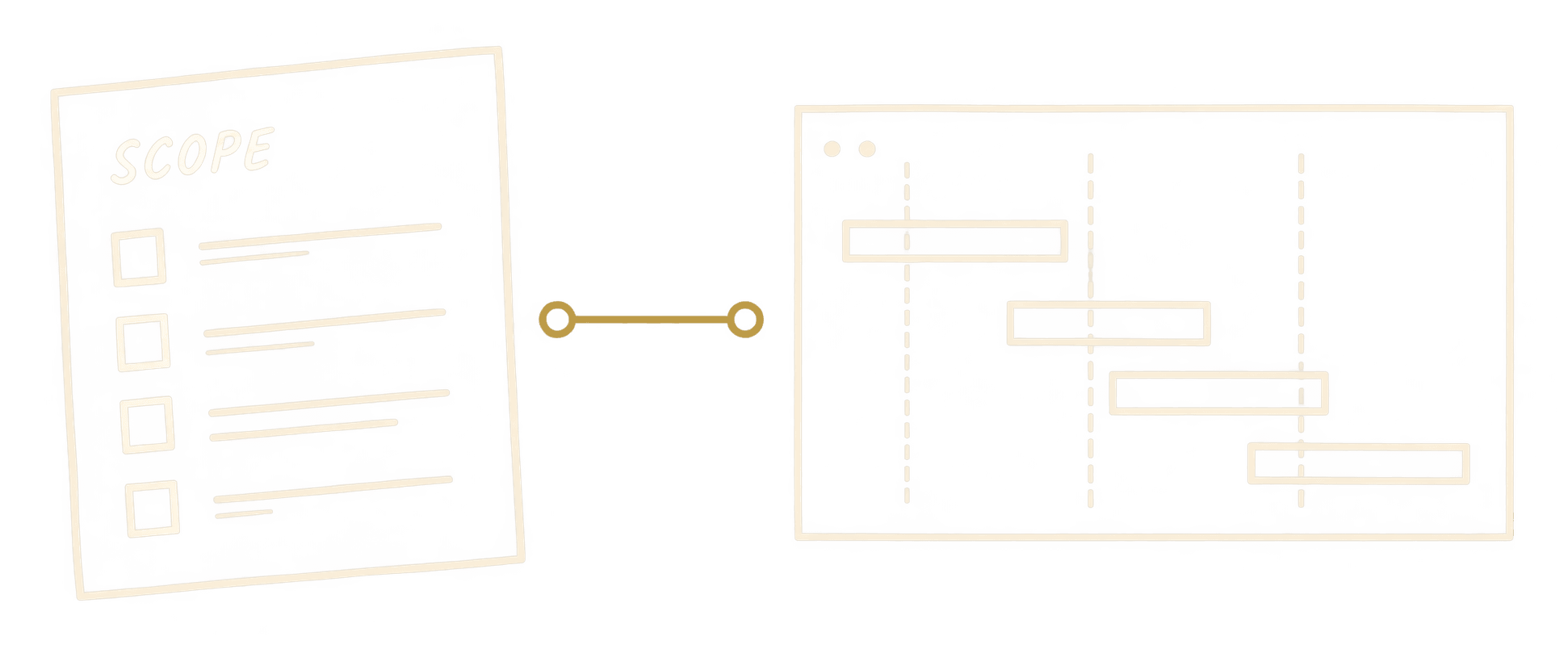
3. Bring the required capabilities together.
We bring research, creative work, technical development, and specialist judgment into one coordinated effort. You have a team responsible for connecting the pieces and carrying them through.
When the work needs additional expertise, we bring in the right professional and incorporate their methods into delivery.
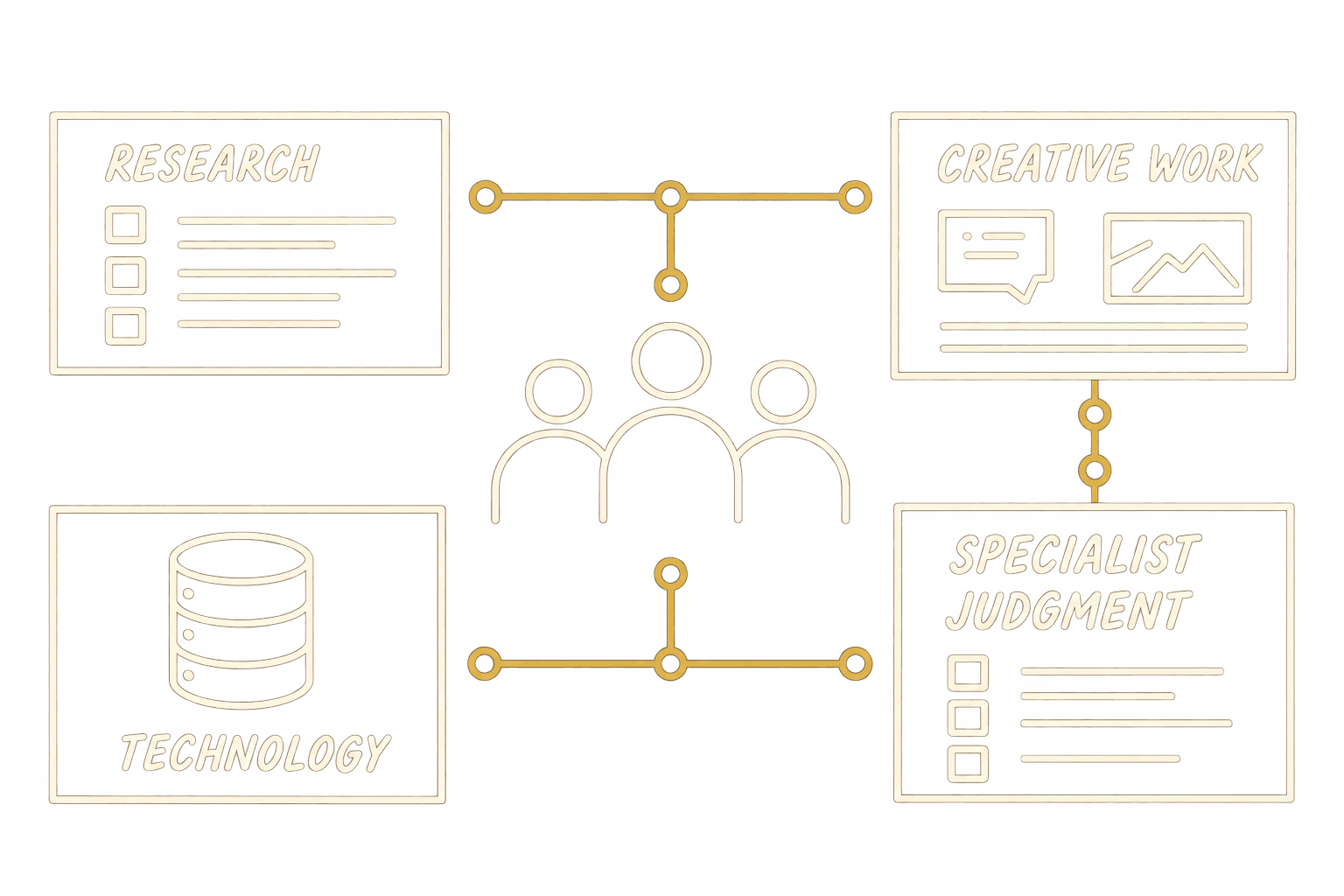
4. Create and implement the work.
We create the materials, build the software, connect the systems, and put the agreed work into operation. Your decisions and approvals guide delivery, with our team coordinating the work around them.
Responsibilities and dependencies remain visible as the work progresses. If a change affects the agreed scope or priorities, we discuss it and adjust the plan together.
5. Put it into everyday use.
Implementation includes the work of making a system useful to the people running it. Documentation, training, launch support, maintenance, and continued execution are planned around what your team needs to put the work to use.
Some projects end with an agreed handover. Others continue through an embedded relationship in which the team maintains the context and carries out the next priorities.
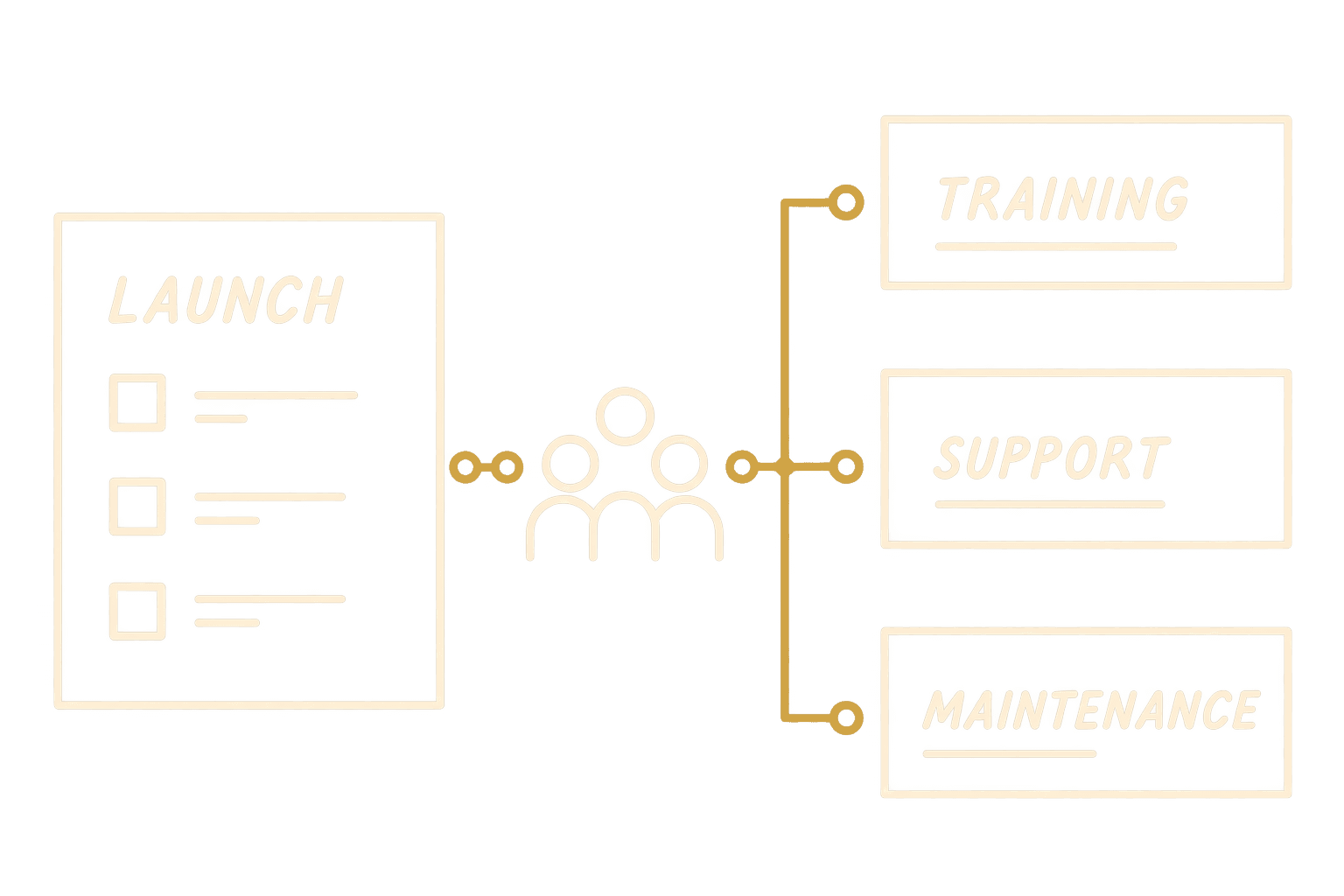
What you contribute
You bring the organization's context and the authority to make the decisions the work depends on. We agree the specific requirements for information, access, feedback, approvals, and internal participation in the proposal.
Clear responsibilities help both teams understand what is ready to proceed and what needs attention. We will work through those responsibilities with you before the engagement begins.
When priorities change
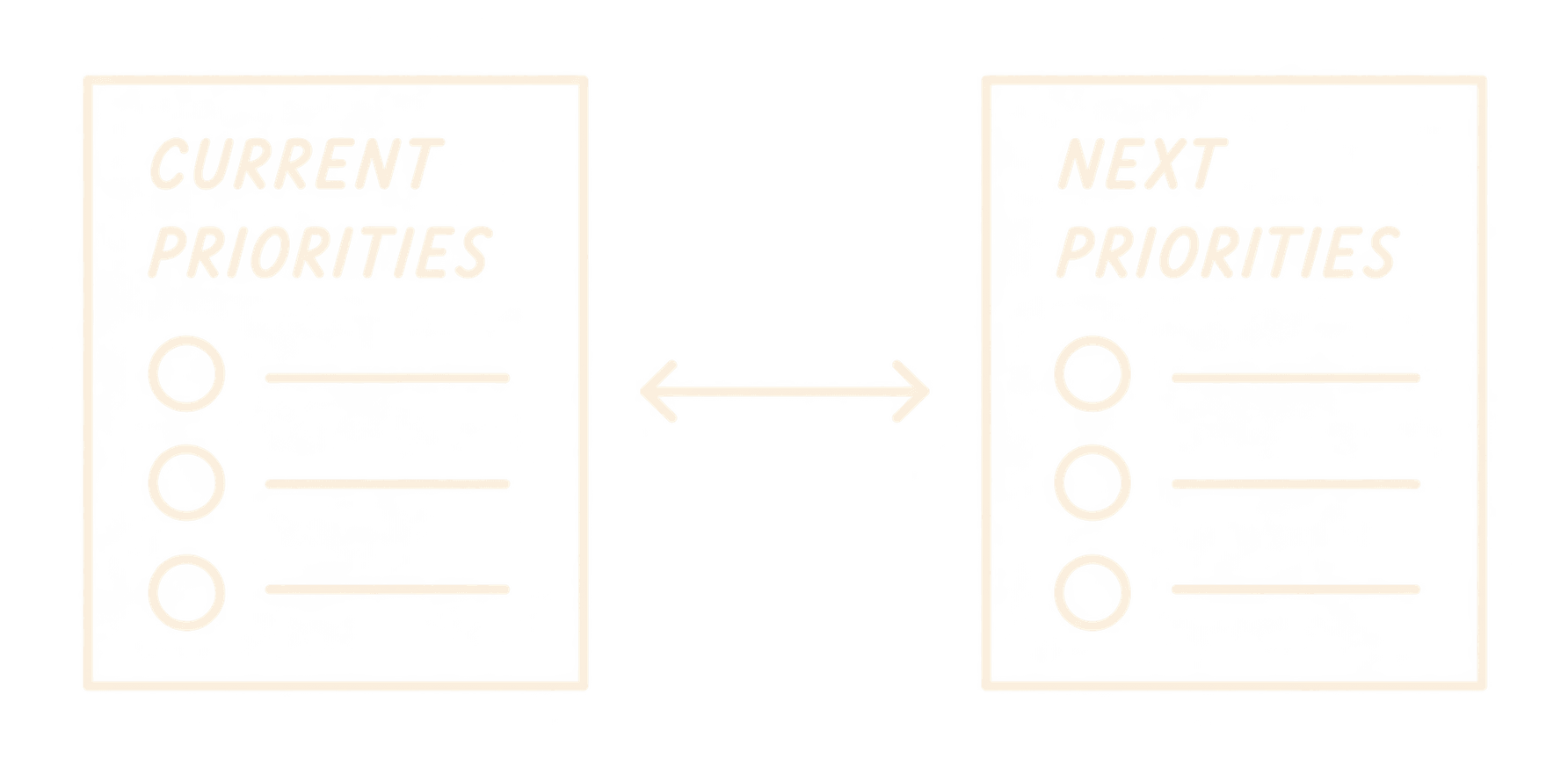
An embedded engagement puts reserved capacity behind your evolving priorities. As the work develops, we agree the next priorities and organize delivery around them.
A defined project has an agreed scope. Changes that affect deliverables, timing, responsibilities, or cost need to be agreed as changes to that scope.
Let knowledge carry forward.
An ongoing team builds a working understanding of your organization: its audiences, systems, decisions, and the people doing the work. Each initiative has that context to build on, reducing repeated discovery, briefing, and setup.
We turn specialist methods into documented workflows, supported by software and automation where they add value. Expertise becomes part of the team's ability to execute, and the organization keeps the useful systems and materials built along the way.
Choose how we work together.
An embedded engagement keeps a team moving with you as priorities develop. A defined project brings the team together around a specific outcome and finish line.